Massacre: Bodies that Matter 2
MPavilion Proposal – 2027
Artist statement
This exhibition explores the histories of queer communities in Melbourne who, between the 1970s and early 2000s, formed networks within hidden sites to navigate social exclusion and heteropatriarchal control, many of which became sites of violence and loss. Through the ongoing series Massacre – Bodies That Matter (2018–2027), the works foreground the marginalisation and harm experienced by LGBTQI+ individuals, examining how societal judgment and institutional neglect contributed to these conditions. Drawing on Italian architectural group Superstudio’s Continuous Monument, the exhibition reworks its reflective, monumental aesthetic to confront viewers with distorted self-images, prompting reflection on visibility, exclusion, and the idea of the “aberrant” body. By inserting references to marginalised identities into both a historically utopian yet exclusionary architectural vision and a contemporary modernist pavilion, the exhibition challenges dominant art and cultural narratives, calling for a deeper recognition of queer histories and more inclusive ways of understanding identity, space, and representation.
Connection to MPavilion
This exhibition positions MPavilion as a critical, site-responsive platform for confronting the histories of queer violence embedded within Melbourne’s parklands. Situated near Alexandra Gardens—an area associated with queer beats and histories of policing, surveillance, and assault—the project reconnects these narratives to their geographic origins while foregrounding the lived experiences of LGBTQI+ communities who forged connection under conditions of risk. MPavilion’s architectural language reinforces this dialogue; its restrained, pavilion-like form recalls the discreet public toilet blocks, such as the now-demolished Fitzroy Gardens toilet block that historically functioned as queer meeting places. By mobilising this spatial parallel, the exhibition transforms the pavilion into both a symbolic and material extension of these environments, encouraging reflection on how such architectures have operated as sites of intimacy and control. Through this site-responsive approach, the work reclaims the notion of the “mistake” as a form of resistance, asserting the persistence of queer presence while inviting audiences to engage critically with these histories within a contemporary public forum.
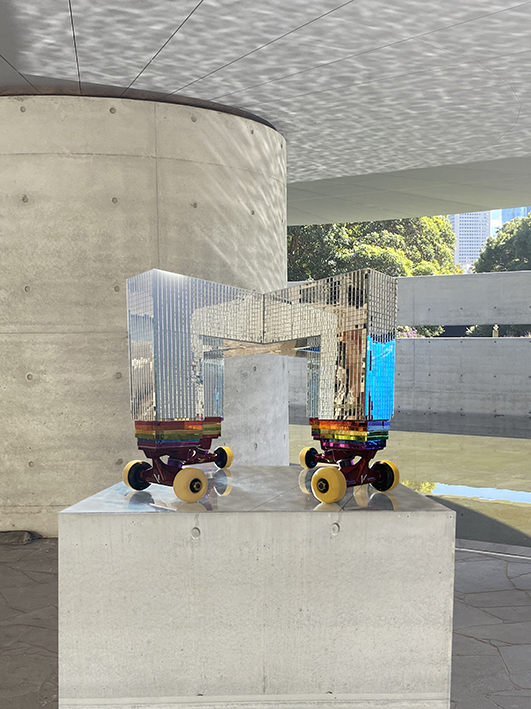
Glenn Walls. Massacre Super Pride (Superstudio – The Continuous Monument, 1969). Mirror tiles, skate wheels and mirrored plinth.
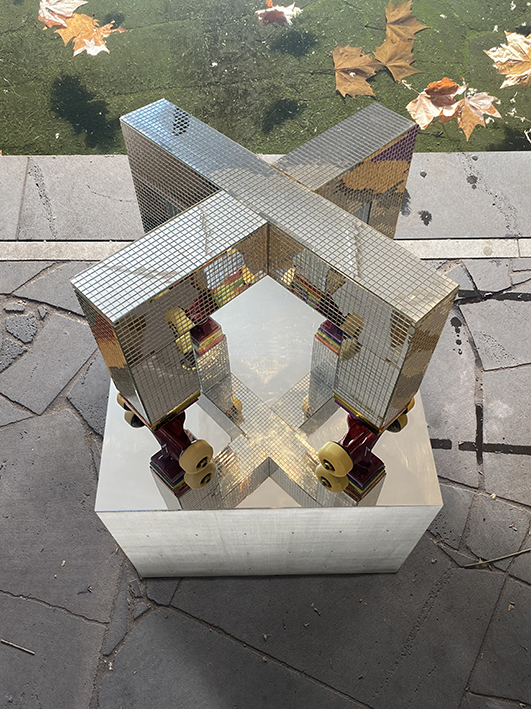
Glenn Walls. Massacre Super Pride (Superstudio – The Continuous Monument, 1969). Mirror tiles, skate wheels and mirrored plinth.
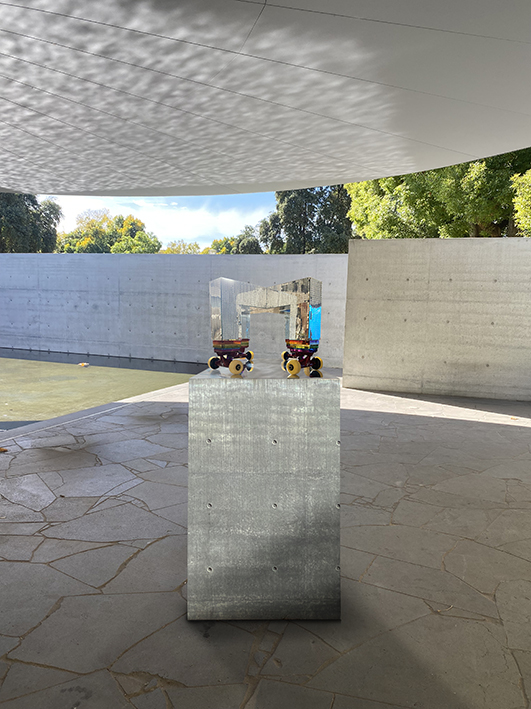
Glenn Walls. Massacre Super Pride (Superstudio – The Continuous Monument, 1969). Mirror tiles, skate wheels and mirrored plinth.
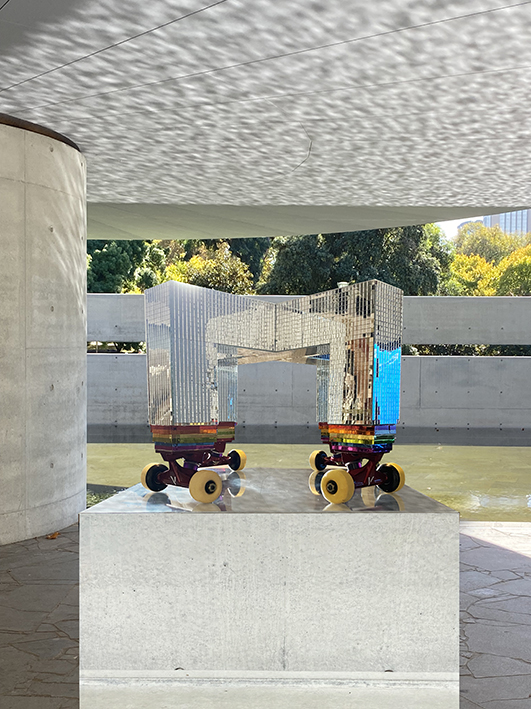
Glenn Walls. Massacre Super Pride (Superstudio – The Continuous Monument, 1969). Mirror tiles, skate wheels and mirrored plinth.
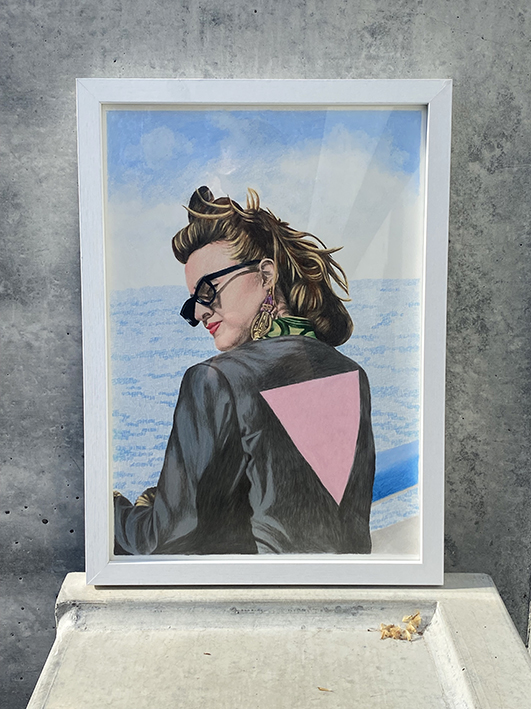
Glenn Walls. Massacre (Desperately Seeking Madonna). 2026. Drawing. 29 x 42 cms
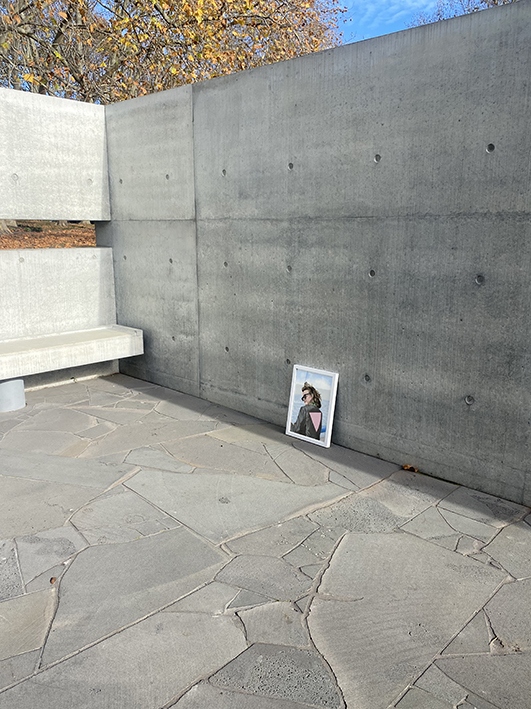
Glenn Walls. Massacre (Desperately Seeking Madonna). 2026. Drawing. 29 x 42 cms
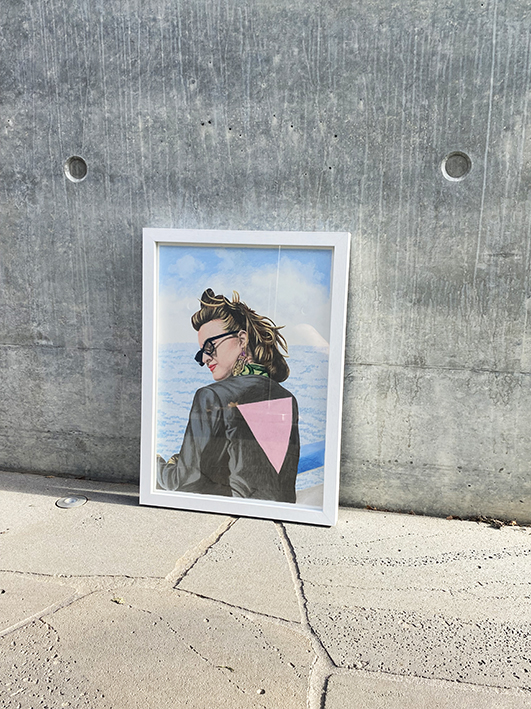
Glenn Walls. Massacre (Desperately Seeking Madonna). 2026. Drawing. 29 x 42 cms
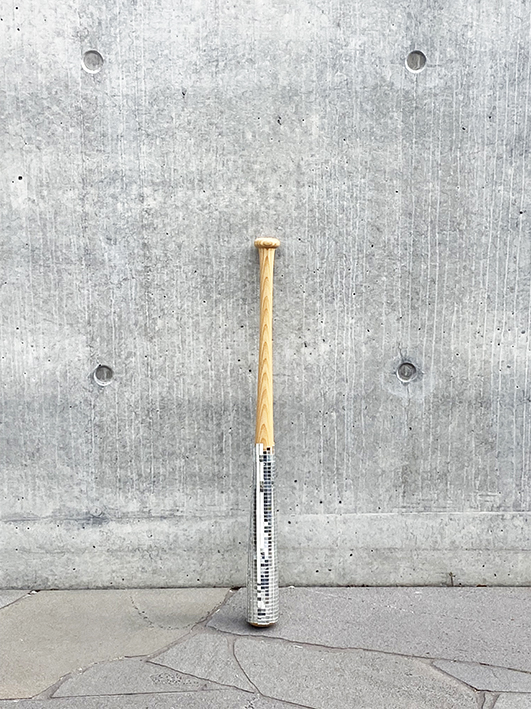
Glenn Walls. Massacre (Disco Glare). 2018/2024. Baseball bat and mirror tiles.
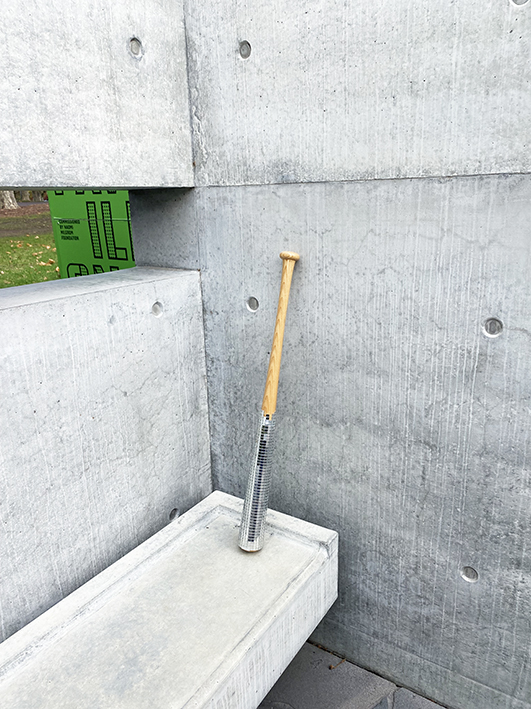
Glenn Walls. Massacre (Disco Glare). 2018/2024. Baseball bat and mirror tiles.
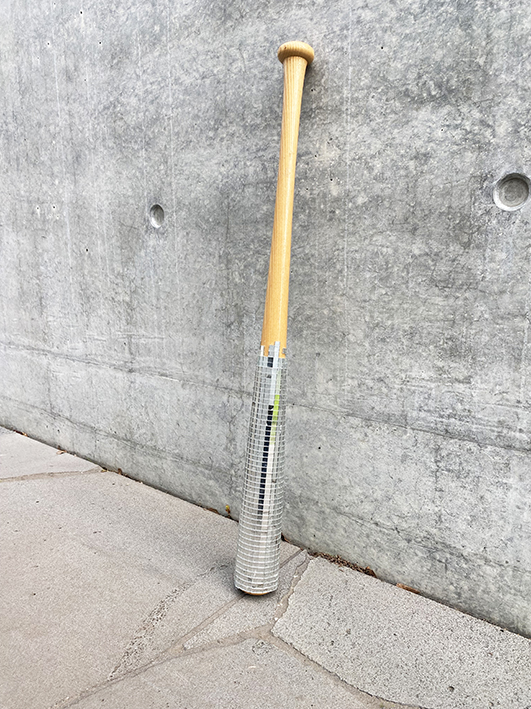
Glenn Walls. Massacre (Disco Glare). 2018/2024. Baseball bat and mirror tiles.
Massacre
Between the 1970s and early 2000s, before the surge in queer visibility in Sydney, non-normative gender and sexual communities formed connections at hidden queer sites to navigate heteropatriarchal constraints. These sites, once vital hubs for queer life, became targets of violent acts, leading to 88 tragic murders. Utilising existing photographs, found in various LGBTQI+ publications and news sites, these drawings examine the series of ongoing artworks titled Massacre – Bodies That Matter, 2018/2026, spotlighting the violence faced by marginalised queers seeking acknowledgement, where societal condemnation and institutional neglect led to acts of violence. This inquiry contributes to understanding the historical and spatial dimensions of violence against LGBTQI+ individuals, calling for a rethink of modern drawing conventions to reveal the complexities of identity and sexuality.
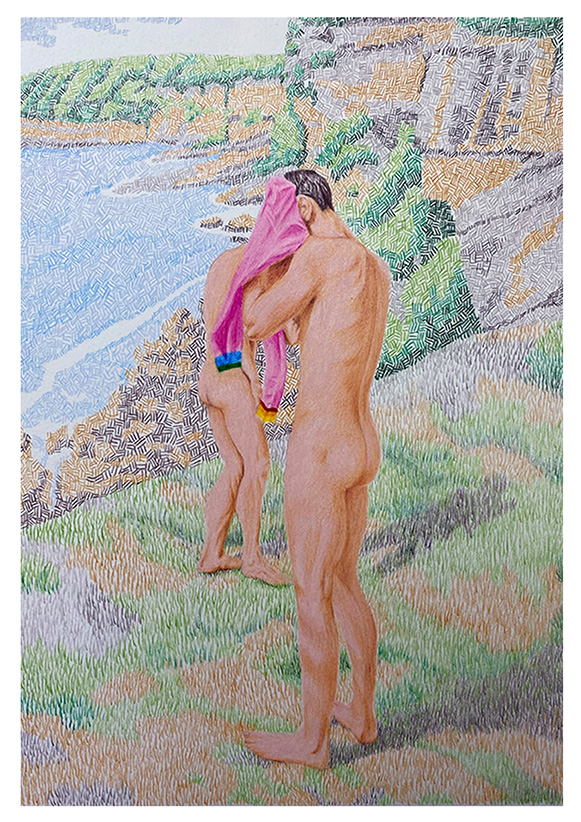
Glenn Walls. Massacre – Location of the murder of Scott Johnson on the 8th December, 1988, at Blue Fish Point in North Head near Manly, Sydney, Australia. The area was known as a gay beat.
Drawing on Paper. 297 x 420 mm. 2026
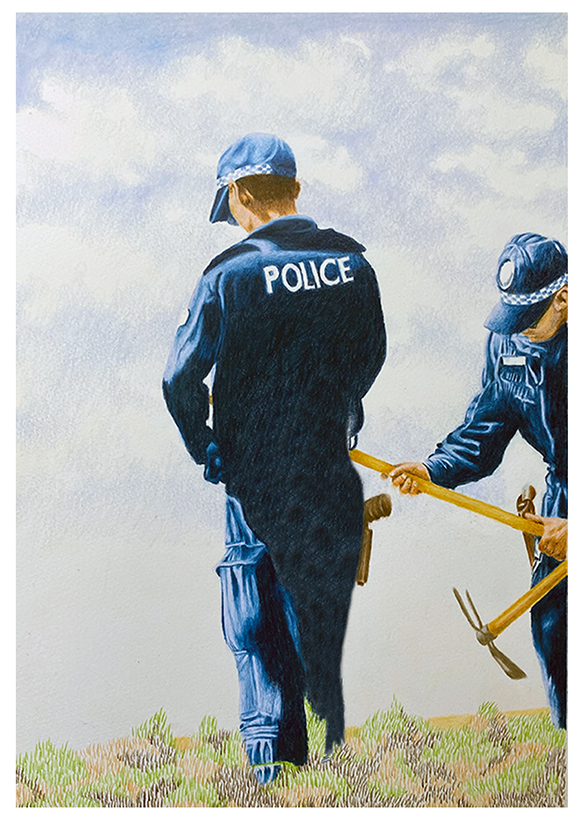
Glenn Walls. Massacre – Location of the murder of Scott Johnson on the 8th December, 1988, at Blue Fish Point in North Head near Manly, Sydney, Australia. The area was known as a gay beat.
Drawing on Paper. 297 x 420 mm. 2026
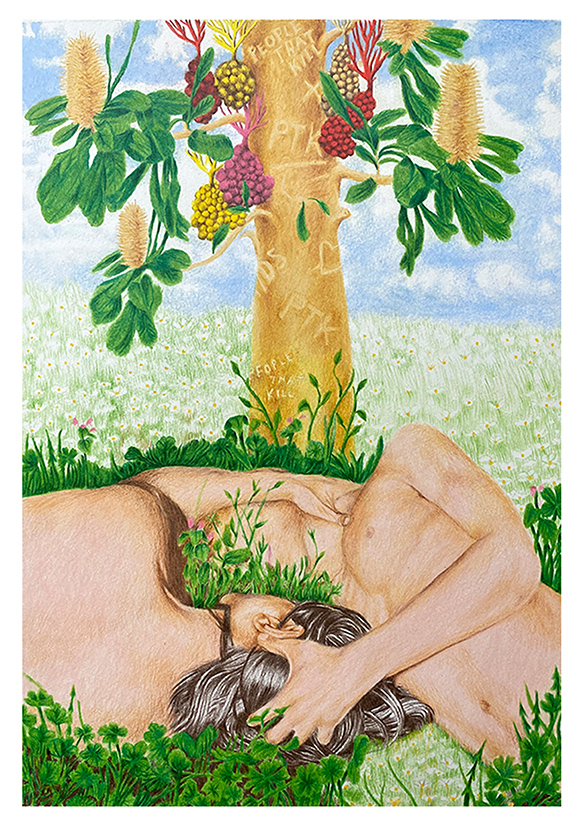
Glenn Walls. Massacre – According to journalist Greg Callaghan, “The Bondi Boys were a large group of 30 youths aged 12–18. They’re linked mainly to deaths at Marks Park and called themselves PTK (“People that Kill”) and PSK (“Park Side Killers”)”, (Callaghan, 2021) as carved in the drawing’s tree
Drawing on Paper. 297 x 420 mm. 2026
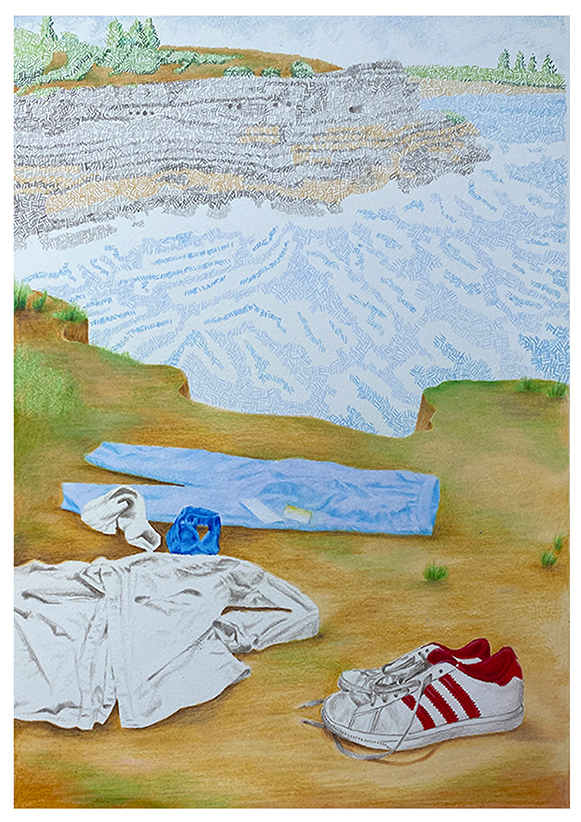
Glenn Walls. Massacre – “It was December 10, 1988, when Scott’s naked body was found by two rock fishermen at the base of the cliff, near Blue Fish Point, just south of Manly, on Sydney’s northern beaches. Police immediately deemed the death a suicide. Furthermore, as Scott’s clothes had been found neatly folded on the clifftop above, the death was considered a “ritual suicide” (Kontominas, 2017).
Drawing on Paper. 297 x 420 mm. 2026
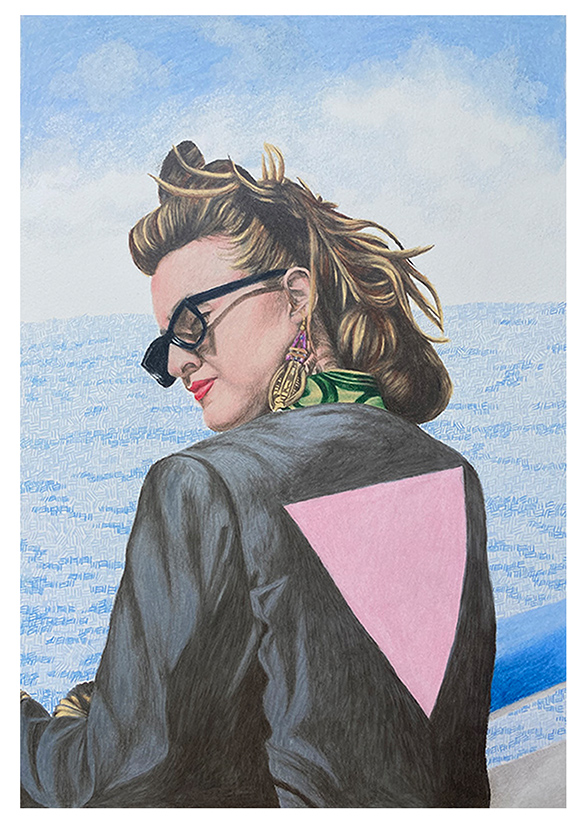
Glenn Walls. Massacre: Madonna, a leading advocate for the LGBTQI+ community, was at her height when these hate crimes were taking place in Sydney.
Drawing on Paper. 297 x 420 mm. 2026
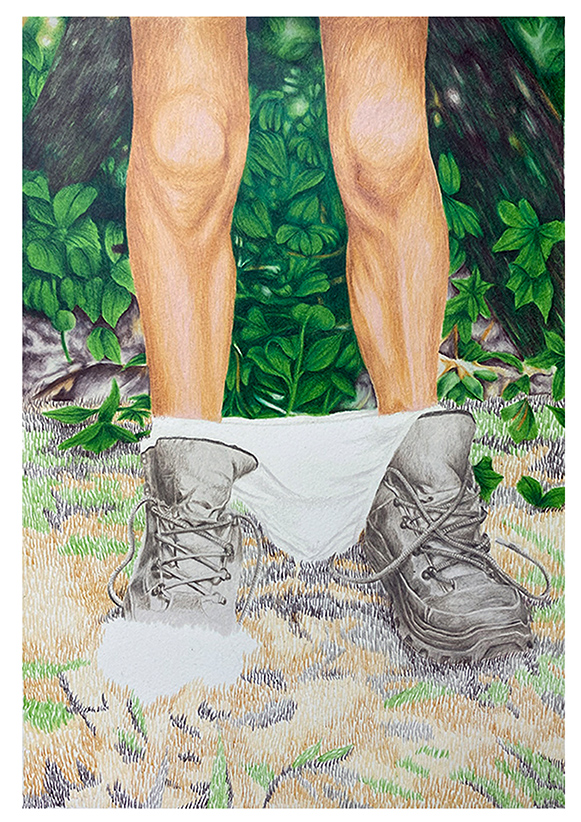
Glenn Walls. Massacre – “Marks Park, a grassy verge capping the headland and the concrete pathway skirting the cliff face, had been a gay beat – a place where homosexual men would socialise and hook up – since at least the late 1920s” (Callaghan, 2021)..
Drawing on Paper. 297 x 420 mm. 2026 (Incomplete)
References
Callaghan, G. (2021, October 1). ‘A willingness to write crimes off’: on the trail of the Bondi killers. The Age. https://www.theage.com.au/national/a-willingness-to-write-crimes-off-on-the-trail-of-the-bondi-killers-20210903-p58oo4.html
Davis, K. (2007). Bondi’s underbelly: the ‘gay gang murders’. QUEER SPACE: CENTRES AND PERIPHERIES, UTS. file:///Users/gfinley/Downloads/Bondis_underbelly_the_gay_gang_murders.pdf
Kontominas, B. (2017, November 30). Scott Johnson: Inside one brother’s 30-year fight to find the truth. ABC News Australia. https://www.abc.net.au/news/2017-11-30/scott-johnson-inside-brothers-fight-to-find-the-truth/9211466


leave a comment